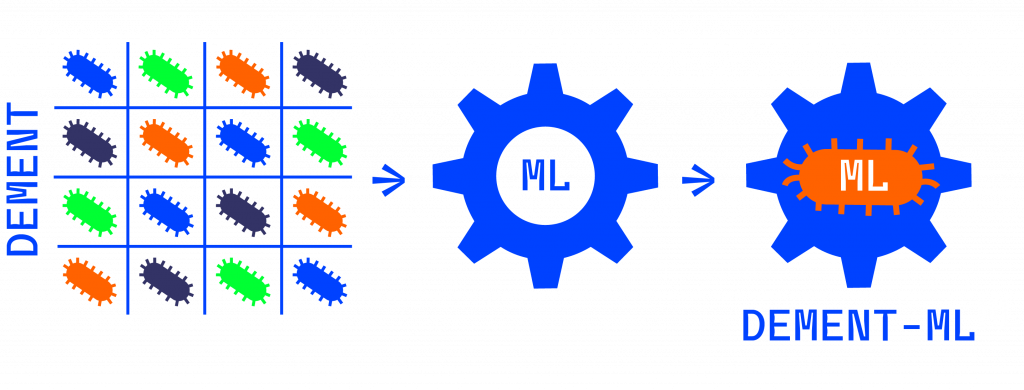
Soils contain more carbon than the atmosphere and vegetation combined, yet their future role in climate change remains highly uncertain. Current Earth system models struggle to predict whether soils will act as carbon sinks or sources, largely because they do not represent microbes—even though these organisms drive both decomposition and carbon storage. Microbial models offer a promising path forward, but their development is limited by a lack of data to constrain microbial parameters, diversity, and adaptive responses to environmental change.
The GAMEchange project aims to overcome this limitation by leveraging the rapid expansion of microbial genomic data to build a new generation of biogeochemical models that explicitly incorporate microbial adaptation to global change. By combining genomics, eco-evolutionary theory, microbial modeling, and machine learning, GAMEchange links microscopic microbial processes to global climate projections. The goal is to determine where, when, and to what extent microbial evolution alters future soil carbon trajectories, and to lay the groundwork for a more realistic representation of soil–climate feedbacks in Earth system models.
The project is structured around four scientific work packages (WPs):
THEORY
microbial adaptation
genomic data
APPLICATION
soil carbon stocks dynamics
biogeochemical models + AI
WP1
How fast do microbes adapt?
Microbial responses to warming, drought, or changes in nutrient availability arise from eco-evolutionary processes occurring simultaneously. Theory predicts that evolution, demographic shifts, and dispersal can lead to distinct adaptive trajectories—but whether this holds in natural ecosystems remains unclear. How fast do soil microbes adapt to environmental change, and do different mechanisms of adaptation (demography, evolution, dispersal) lead to different functional responses?
- What are the final values of response traits (environmental sensitivity) and effect traits (impact on ecosystem functioning), and how quickly do they change?
- What are the underlying mechanisms of adaptation (demographic shifts, mutation, migration) driving these dynamics?
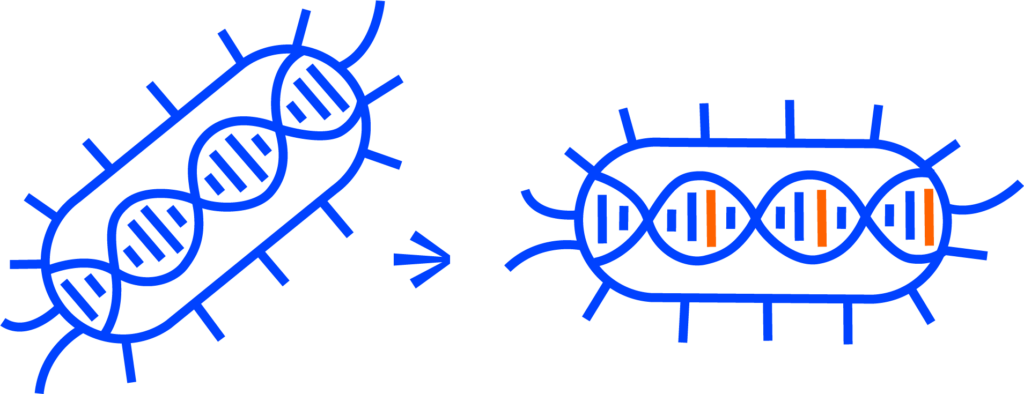
genetic evolution

change in demography
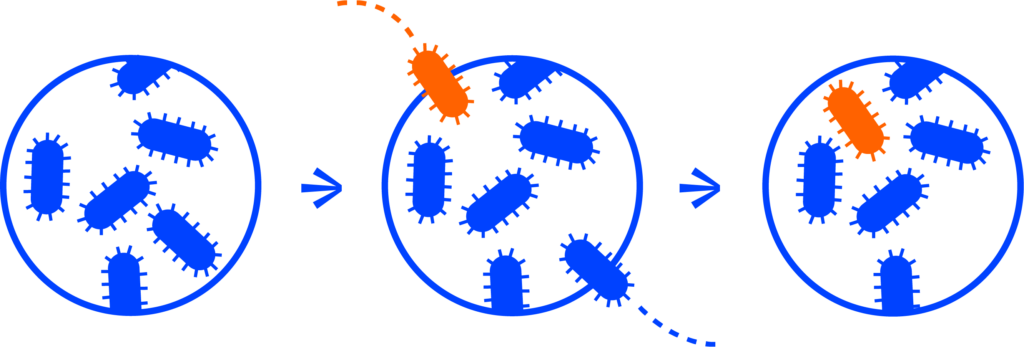
dispersal
Approach
We will analyze microbial genomic time series from global change experiments.
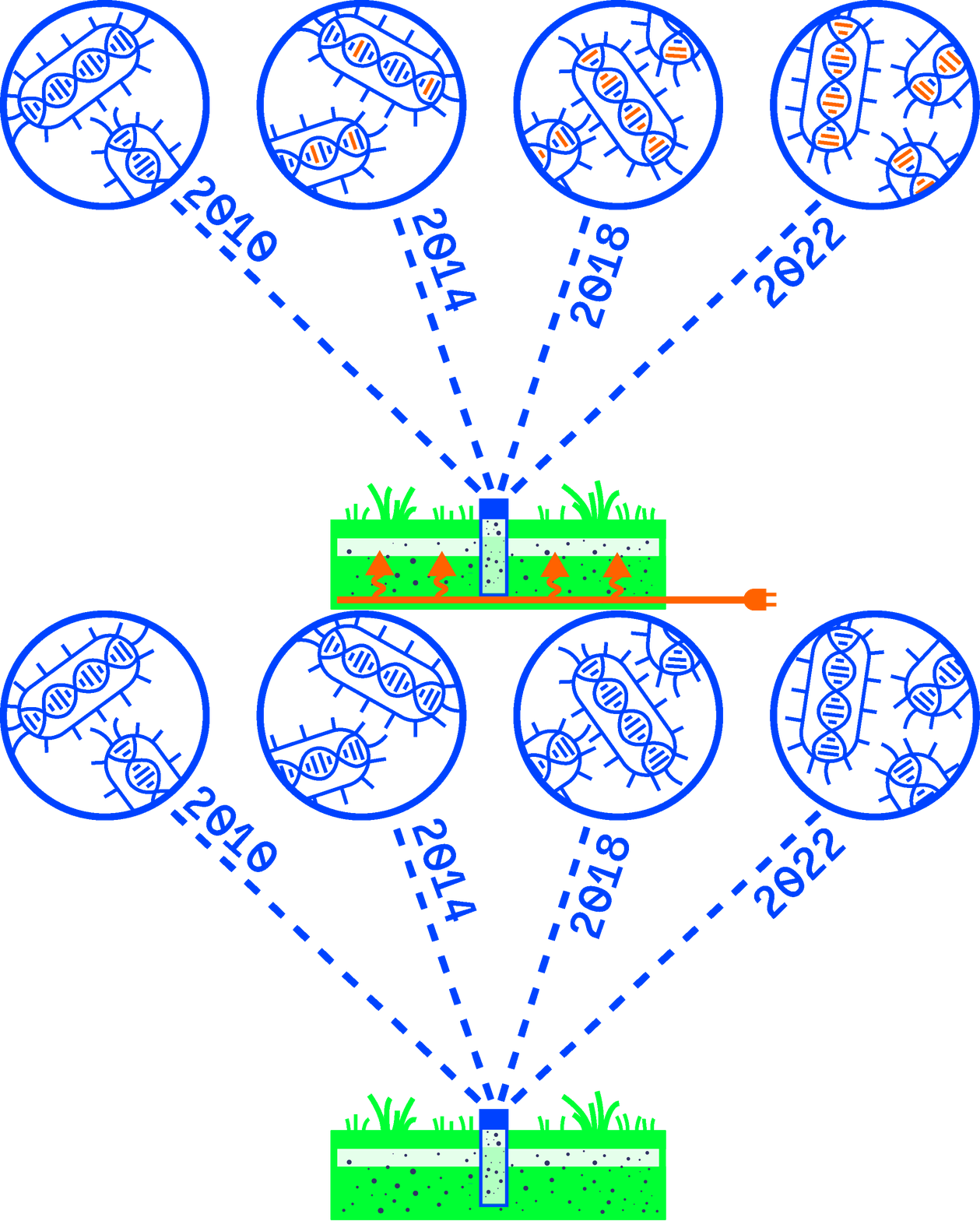
microbial genomic time series
WP2
How can microbial diversity be simplified?
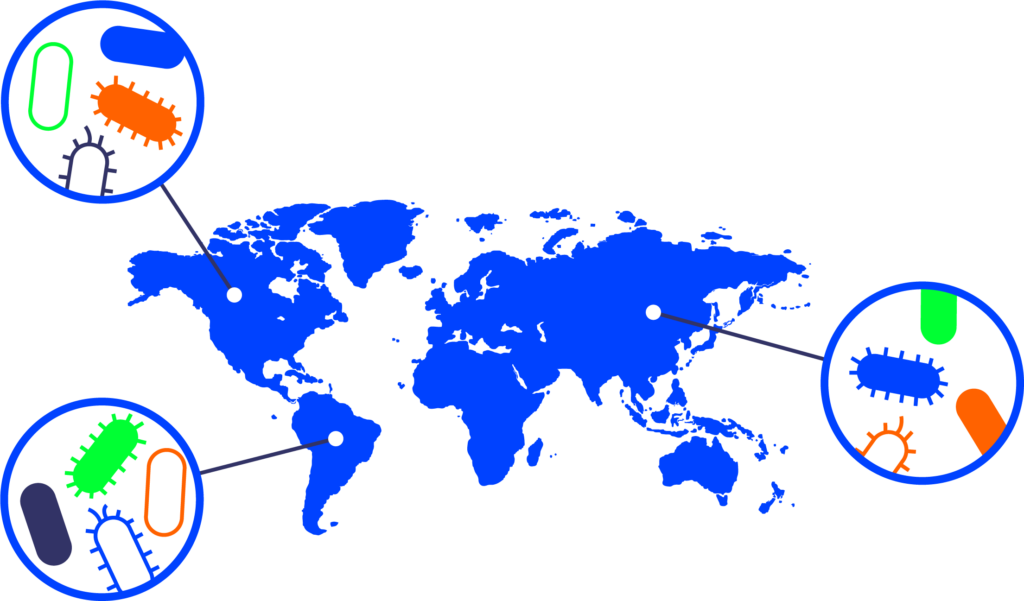
Microbial taxa may be partially redundant, but many studies show that community composition strongly influences decomposition and soil carbon dynamics. How can we reduce the vast diversity of soils (around one million species per gram) into a manageable number of ecological strategies that are useful for predicting biogeochemical responses?
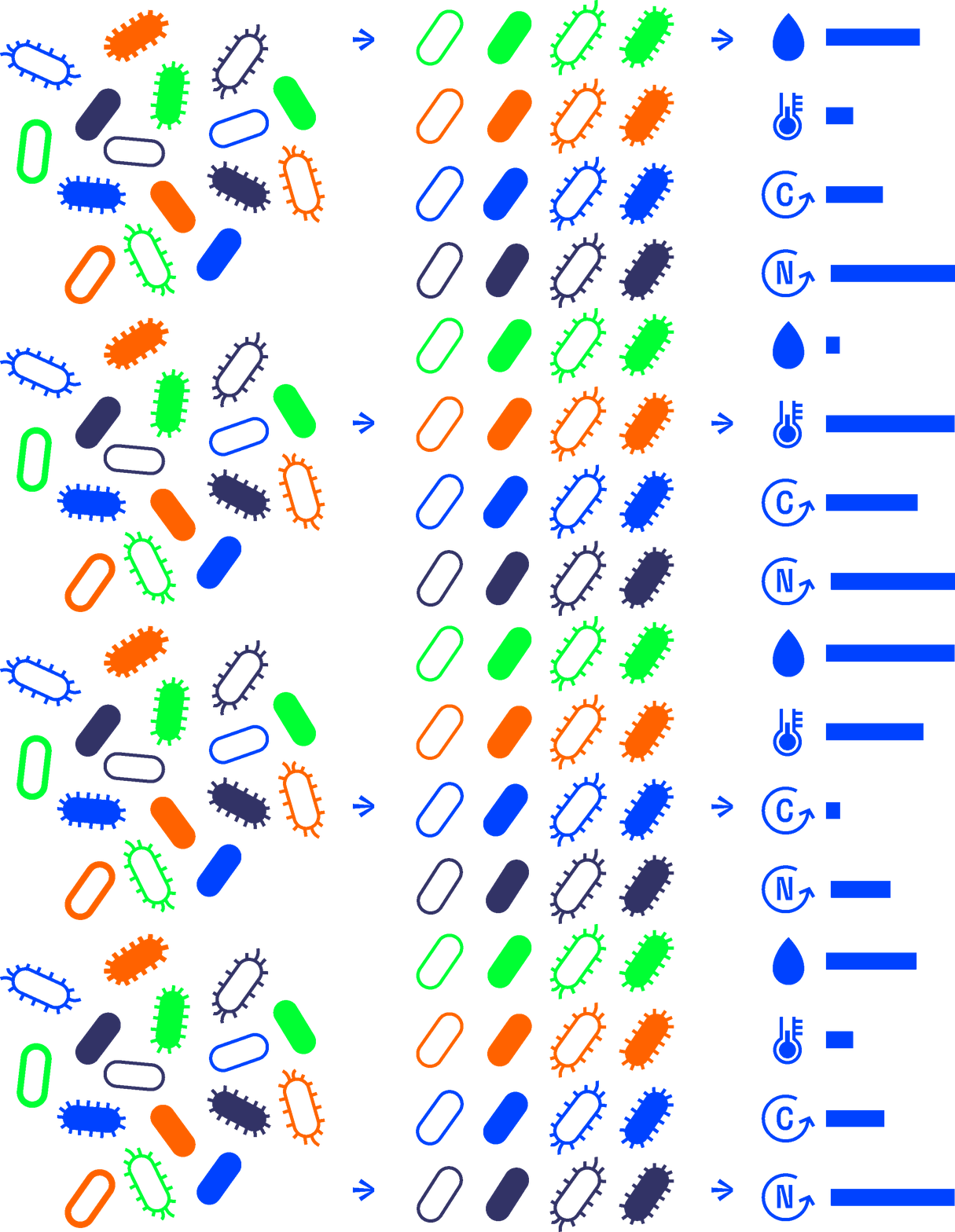

resistance to drought

adaptation to warming

carbon degradation capacity

nitrogen degradation capacity
Approach
We will translate a global dataset of microbial genomics into functional traits, and then use machine learning methods to identify core ecological strategies that structure soil microbiomes at the global scale.
WP3
How does microbial adaptation alter soil carbon fluxes?
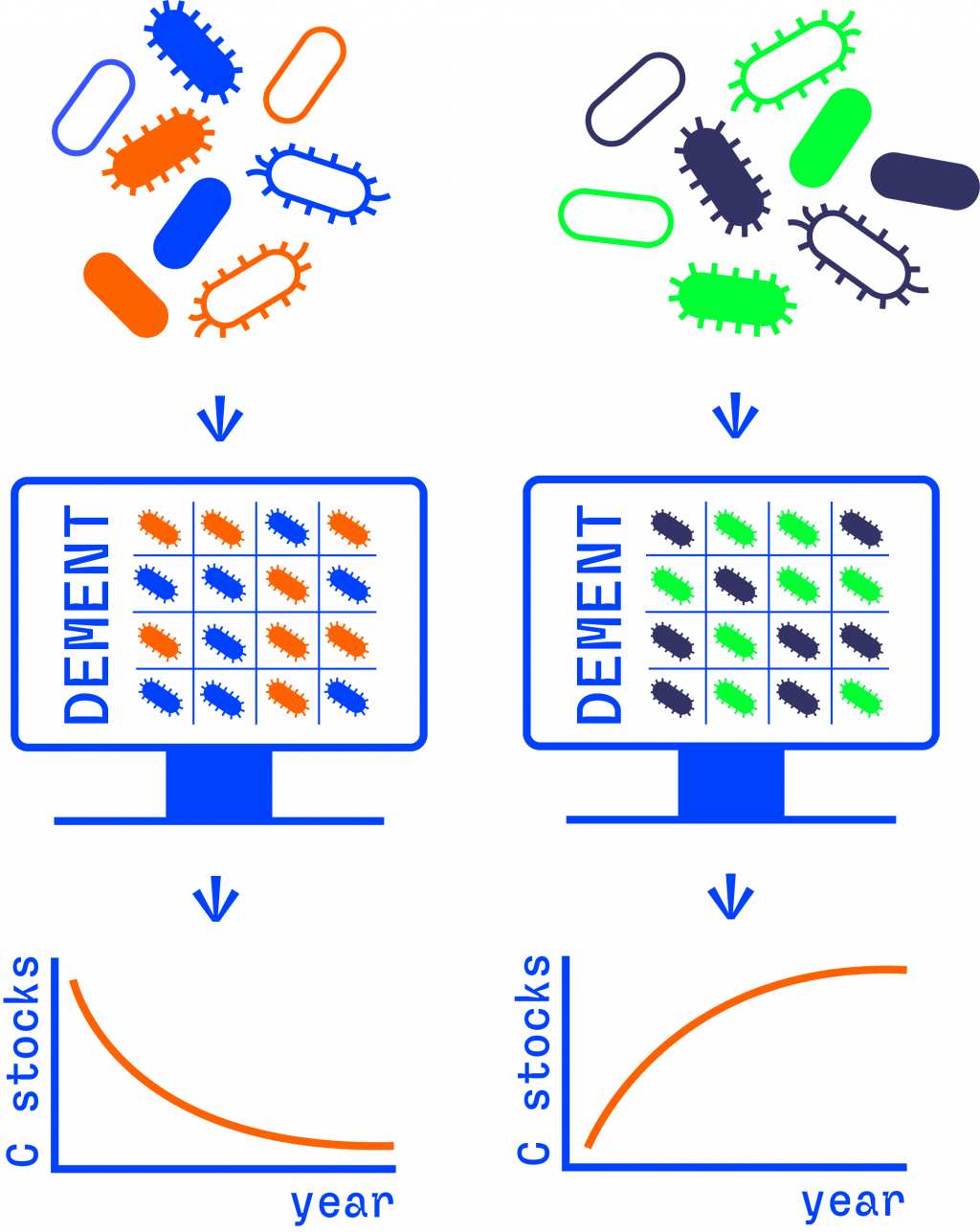
The objective is to determine how changes in microbial traits, driven by adaptation, alter soil carbon fluxes under global change.
Approach
We will use a process-based, microscale microbial model to simulate community evolution and quantify its influence on carbon, nitrogen, and phosphorus cycles. The model will be parameterized using data from WP1 and WP2 and evaluated against historical biogeochemical data (C, N).
WP4
How can microbial adaptation be integrated into Earth system models?
The objective is to integrate microbial adaptation into a global land surface model and quantify its impact on soil–carbon–climate feedbacks.
Approach
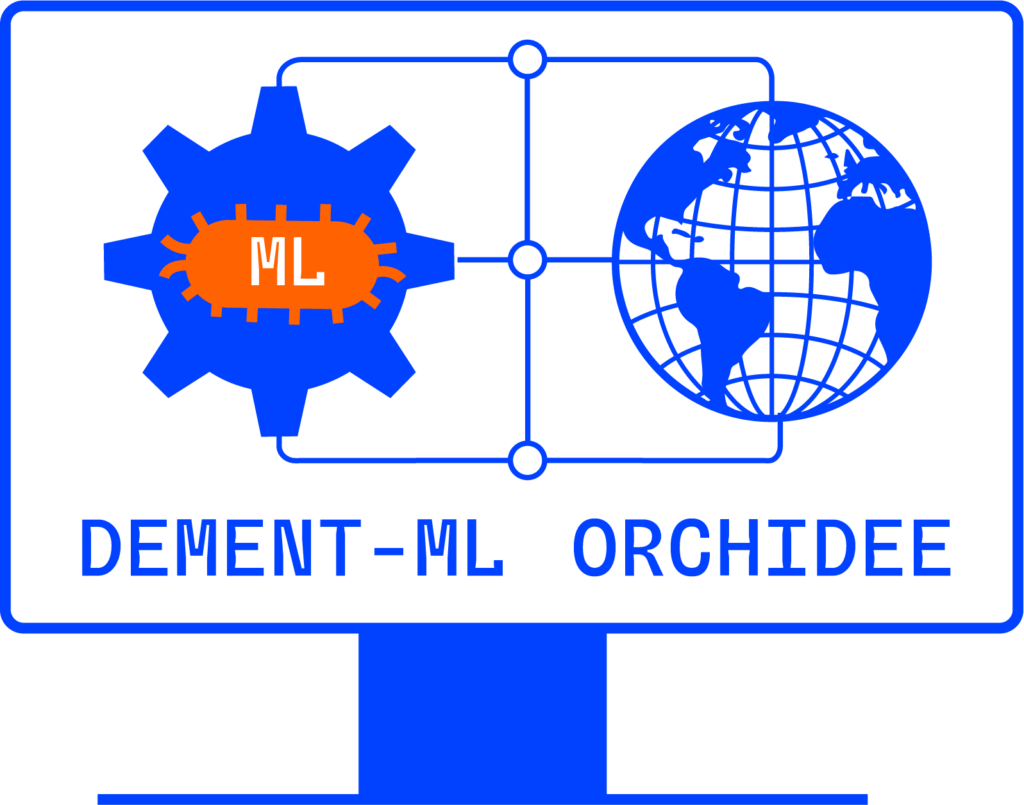
We will develop a computationally efficient AI emulator of the microscale model, which we will then couple to ORCHIDEE, the land surface component of the IPSL Earth system model. This will allow us to:
- compare scenarios with and without microbial adaptation
- identify regions where soil carbon is most sensitive to microbial evolution
- assess the implications for 21st-century climate projections